

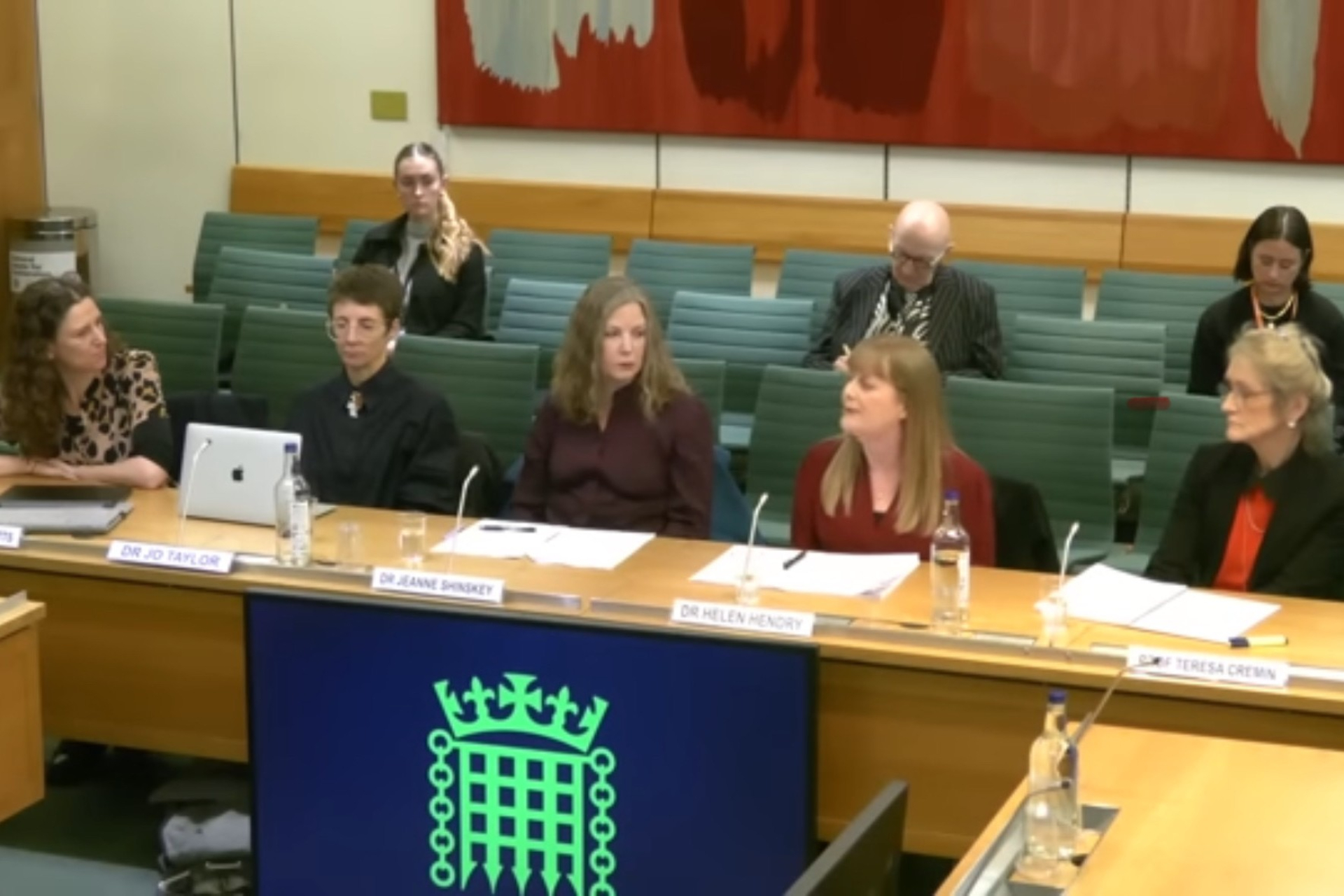
On 3rd February, the UK Parliament’s Education Select Committee held a public evidence session as part of a new inquiry into the dramatic decline in children reading for pleasure. The hearing brought together leading academics in literacy, psychology and education to explain what the research says about why children are reading less - and what can be done about it.
The session is part of a broader inquiry launched in late 2025 in response to evidence showing that reading for pleasure among young people has plummeted to its lowest levels in decades. Only around one in three children aged 8–18 now say they enjoy reading in their free time, a trend that policy makers, educators and cultural organisations have labelled a “crisis” for literacy and lifelong learning.
Why This Matters
Witnesses stressed that reading for pleasure is far more than a hobby - it has deep links to cognitive development, vocabulary, empathy and emotional wellbeing. MPs asked experts to distinguish between reading as a skill taught in schools and reading as a joyful, voluntary activity that contributes to lifelong learning.
Evidence suggests that children who read for pleasure tend to have wider vocabularies, higher educational attainment and greater social and emotional skills than peers who do not. While schools have prioritised structured reading instruction such as phonics, researchers told MPs that this alone is not enough to cultivate a reading culture - especially beyond early primary years.
Professor Teresa Cremin: Lift Reading for Pleasure Higher in the Curriculum
A key voice at the hearing was Professor Teresa Cremin CBE, Professor of Literacy Education at The Open University, a leading figure in reading for pleasure research and friend of LoveReading4Kids. Cremin emphasised that reading for pleasure needs to gain a much higher profile within the school curriculum.
Cremin explained that while schools tend to focus on reading skills - such as decoding and comprehension assessed through standardised testing - they often don't give equal space to voluntary, joyful reading. She told MPs that the emphasis on assessment creates a “backwash” effect where teachers feel they must prioritise measurable outcomes, leaving little time for cultivating a culture where children choose to read because they want to.
That gap, she argued, is a core reason why reading for pleasure has declined: it is treated as a “nice-to-have extra” rather than a core educational and social objective.
Four Priority Areas for Change
The committee heard several practical suggestions from experts about how reading for pleasure could be promoted more effectively:
1. Increase the Profile of Reading for Pleasure in Schools
Cremin urged the government and schools to position reading for pleasure as an intentional part of the curriculum, not an add-on. Teachers, she said, need the time and recognition to build joyful reading into daily school life alongside formal literacy lessons.
2. Address Tensions in Teacher Training
Dr Helen Hendry, a senior lecturer in primary education at the Open University, told the committee that current teacher training programmes often leave new teachers with limited knowledge of children’s literature and little confidence in fostering reading cultures. She described a tension in training between teaching phonics skills and nurturing a love of reading - with the former often dominating assessment and classroom priorities.
Hendry also highlighted the power of playful and interactive engagement with texts - such as acting out stories or using gestures - noting that these approaches not only deepen comprehension but build emotional connections with reading.
3. Respond to Children’s Interests and Choices
Experts stressed that reading for pleasure flourishes when children are given autonomy to choose what they read. Teachers and parents alike can support this by listening to how children respond to books and tailoring reading opportunities to their interests - a strategy shown in research to boost motivation and engagement.
4. Tackle Assessment Pressures
Linking back to curriculum priorities, Cremin and her colleagues told MPs that the pressure of national assessments can squeeze out time for voluntary reading. When accountability systems emphasise test results, schools tend to view reading for pleasure as secondary. Raising the status of reading enjoyment within school evaluation frameworks could help shift this mindset.
A Broader Policy Context
The evidence session took place against a backdrop of wider policy efforts to address the reading crisis. In January 2026, the government and the National Literacy Trust launched the National Year of Reading 2026 to encourage reading at home and in schools, supported by high-profile advocates and new funding for libraries and literacy programmes.
Committee chair Helen Hayes has framed the decline in reading for pleasure as a “generational shift” requiring systemic intervention, not just isolated projects. The inquiry is expected to produce recommendations that could influence future education policy and literacy strategies at national and local levels.
The OECD / PISA framework for reading engagement
Professor Cremin highlighted the OECD / PISA framework for reading engagement to the Committee, which breaks it into four interacting dimensions. These are often used in policy and literacy research to explain why some children become lifelong readers and others don’t.
1. Behavioural engagement (what readers actually do)
This is the visible part:
- how often children read
- how long they read for
- whether they read voluntarily
- variety of reading materials (fiction, non-fiction, digital, magazines)
It’s not just ability. It’s habits.
A child can decode perfectly and still be disengaged if they rarely choose to read.
2. Cognitive engagement (how deeply they think while reading)
This is about mental effort and strategy:
- making meaning
- asking questions
- connecting ideas
- reflecting on text
- persistence with challenging material
Engaged readers don’t just skim. They work with the text.
OECD research shows this is strongly linked to comprehension growth.
3. Emotional engagement (how reading feels)
This is the motivational core:
- enjoyment
- interest
- curiosity
- personal connection
- sense of identity as a reader
Children who feel something when they read read more. And children who read more get better. It's a feedback loop.
OECD repeatedly stresses that enjoyment predicts achievement. Not the other way around.
4. Social engagement (reading as a shared activity)
Reading is not solitary in development:
- talking about books
- peer recommendations
- classroom reading communities
- family reading culture
- teacher modelling
- book clubs / library culture
Children read more when reading is socially visible and valued.
If reading feels like a school task, engagement drops.
If reading feels like belonging, engagement rises.
Why this framework matters
Countries with strong reading outcomes don’t just teach phonics well, they build reading cultures.
This is exactly why policy conversations are shifting from:
“Can children read?”
to
“Do children choose to read?”
What Comes Next
The Education Committee will continue to gather written evidence and expert testimony over the coming weeks, aiming to build a comprehensive picture of how reading for pleasure can be strengthened across homes, schools and communities. The inquiry invites contributions from researchers, educators, organisations and the public alike - with the aim of reversing this worrying trend and ensuring children not only can read, but want to.
Comments (0)
Leave A Reply
You must be logged in to post a comment.