


Roma, Gypsy and Traveller children are among the most disadvantaged groups in the UK education system. Research consistently shows lower attendance, higher exclusion rates and significantly poorer educational outcomes than their peers. But behind the statistics lie real children whose experiences of school are too often shaped by misunderstanding, prejudice and invisibility.
According to the Equality and Human Rights Commission, only around one in five Gypsy, Roma and Traveller children complete their GCSEs, and attendance rates remain far below the national average. Mobility, insecure housing, discrimination and low expectations all play a part. But so too does a lack of cultural recognition within education itself.
One powerful, practical way schools and families can begin to redress this imbalance is through books.
Seeing yourself - and being seen
All children deserve to find themselves in stories. They also deserve to learn about lives and cultures different from their own. The Centre for Literacy in Primary Education’s Reflecting Realities survey provides a long-running measure of how well UK children’s publishing reflects the diversity of young readers’ lives. The 8th annual report (published November 2025) shows a modest increase in representation: 24 % of children’s books published in 2024 featured a racially minoritised character, up from 17 % in the previous year, and 24 % featured a racially minoritised character in a main role - the highest proportion recorded to date. While this marks welcome progress after the significant drop reported in 2023, it still falls short of the 30% peak seen in 2022 and highlights ongoing gaps in inclusive publishing.
It’s also important to recognise that many racial, cultural and ethnic identities remain severely under-represented in British children’s books. In particular, stories featuring Gypsy, Roma and Traveller characters are rare across the wider publishing landscape: informed, rounded portrayals of these communities still struggle to find space on shelves despite their real presence in UK society. This absence means many children who identify as Gypsy, Roma or Traveller have few opportunities to see themselves reflected in the books they read, even as the industry slowly broadens its representation of other minoritised groups
Positive, authentic books can offer something different: validation, pride and refuge.
As educator Jodie Rodriguez has written, when children see themselves reflected in books, they form a deeper emotional connection to reading. That connection supports comprehension, confidence and enjoyment. All crucial foundations for literacy.
Books as resistance and hope
Gypsy, Roma and Traveller children are frequently exposed to hostile media narratives and, too often, unchallenged racist language in everyday life. Research by Friends, Families and Travellers and the Anti-Bullying Alliance shows that bullying and discrimination in schools remain widespread, yet underreported.
In this context, books are not a “nice extra”. They are a form of resistance.
They tell children: your story matters.
They tell other children: this is part of our shared world.
Recommended children’s books featuring Gypsy, Roma and Traveller communities
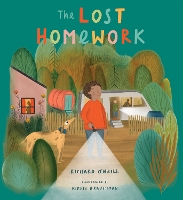
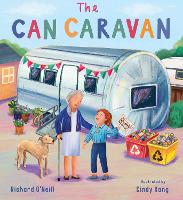
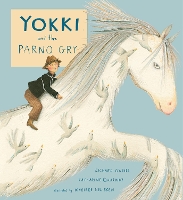
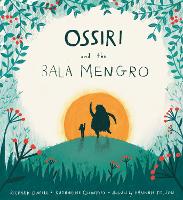
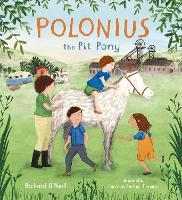
The Travellers Tales series of books from Richard O’Neill and Katharine Quarmby are helping to change how Gypsy, Roma and Traveller lives are represented.
Yokki and the Parno Gry and Ossiri and the Bala Mengro celebrate everyday family life, music, storytelling and resilience, without reducing characters to symbols or stereotypes. Children are shown as fully rounded individuals — curious, capable and complex.
As Katharine Quarmby has said, challenging prejudice isn’t just about stopping harmful language; it’s also about offering better images.
Richard O’Neill, who grew up in a Romani family, speaks powerfully about low expectations placed on these children - expectations that books like these quietly but firmly reject.
These following books offer authentic, respectful portrayals and are excellent starting points for families, schools and libraries looking to broaden representation:
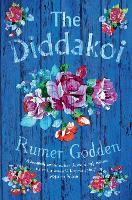
The Diddakoi by Rumer Godden. This modern classic is about belonging, identity and resilience. Kizzy’s strength and independence make this a powerful read for older children.
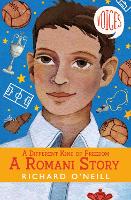
A Different Kind of Freedom by Richard O’Neill. This is a football-filled historical adventure set within the Romani community of 19th-century Sheffield.
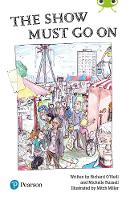
The Show Must Go On by Richard O’Neill and Michelle Russell. Part of ther Bug Club series, this is a beautifully atmospheric story celebrating Showman culture, creativity and cooperation.
Fireside Tales of the Traveller Children by Duncan Williamson. This is a vital collection preserving traditional Traveller stories, highlighting Gypsy, Roma and Traveller communities as storytellers and story-keepers.
Why these stories matter for all children
Books featuring Gypsy, Roma and Traveller characters do more than support these children. They help all young readers develop empathy, curiosity and respect. They broaden children’s understanding of British history and culture, and challenge simplistic narratives about who belongs.
These stories remind us that Gypsy, Roma and Traveller communities are not marginal footnotes - they are woven into the fabric of storytelling itself.
As Richard O’Neill puts it: “I hope these books help illustrate our humanness.”
At LoveReading4Kids, we believe that reading for pleasure is inseparable from representation. When children see themselves - and each other - reflected with dignity and care, books become places of possibility.
For more diverse children's books, browse our related features:
Diversity & Inclusion - 100+ Children's Books that Celebrate Difference
Children's Books that Celebrate Family Diversity - Different Families, Shared Feelings
The Importance of Diversity in Children’s Books
‘Life changing’ boost to diversity in GCSE English Literature with Lit in Colour Pioneers Pilot
Pearson's Plotting Ahead: Diversity, inclusion and belonging in children's literature





.jpg)
Comments (0)
Leave A Reply
You must be logged in to post a comment.