


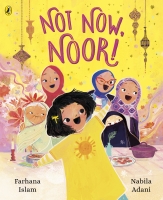

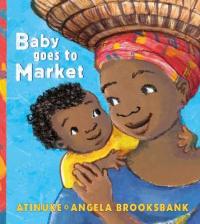
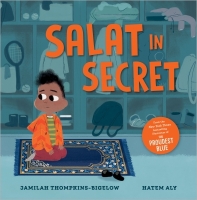
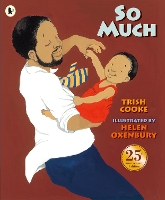
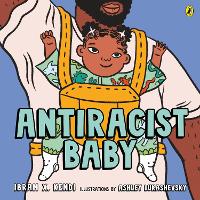
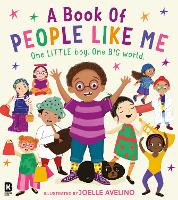
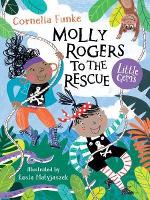
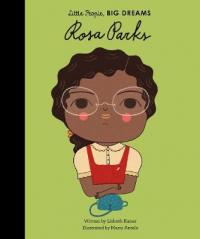
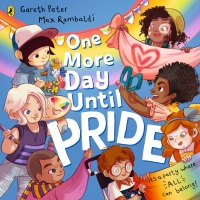
The best diverse children's books include A Book of People Like Me, Antiracist Baby, Rosa Parks, Dim Sum Palace, Not Now, Noor! and One More Day Until Pride.
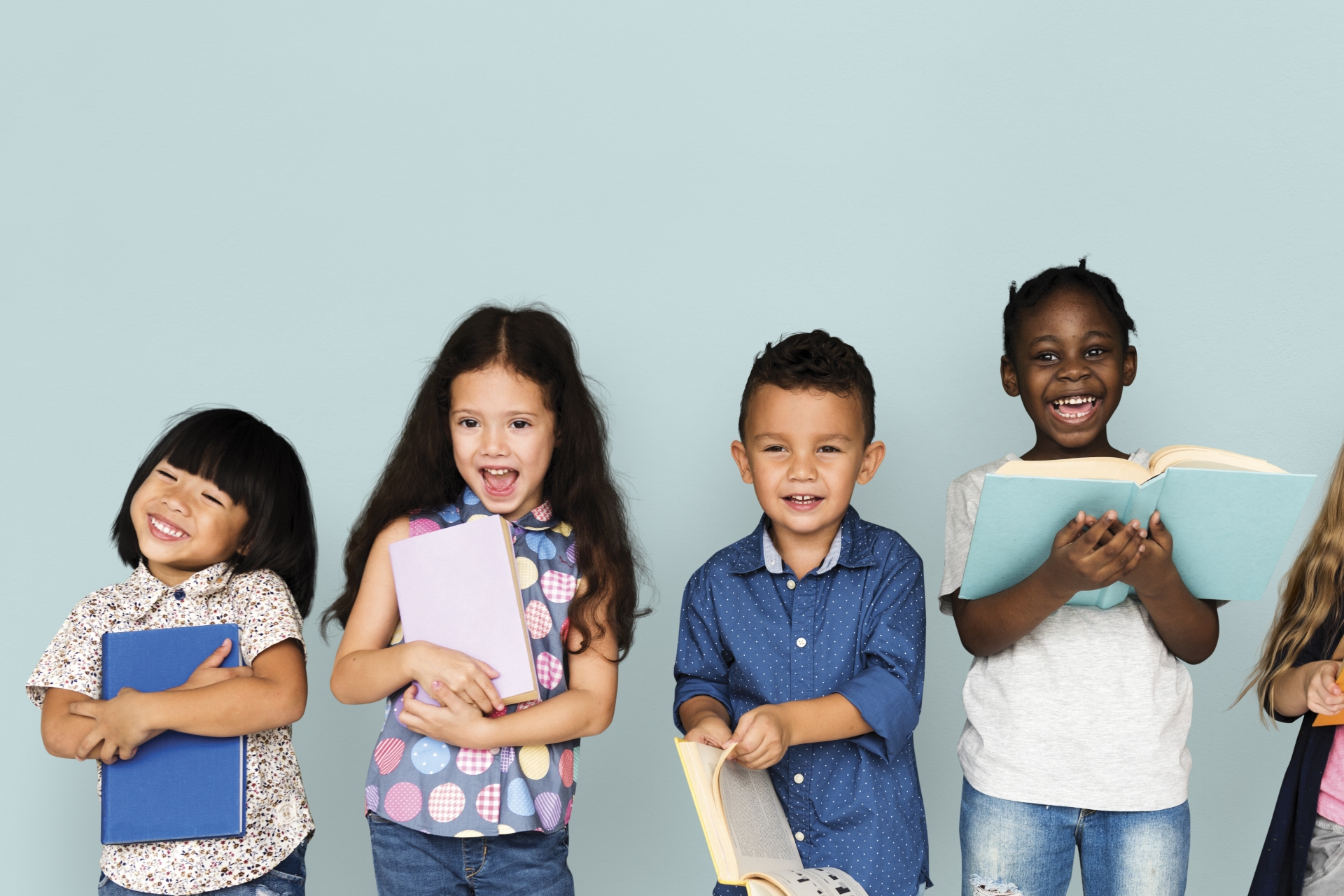
Our earliest perceptions of the world and its cultures are shaped by the books we read and it is essential that children see a true reflection of our society in the literature recommended and available to them. An absence of an inclusive range of role models or characters in our books risks detering children from minority backgrounds from the joy and enrichment that a love of reading can bring.
The Centre for Literacy in Primary Education (CLPE) 8th annual Reflecting Realities Survey of Ethnic Representation within UK Children’s Literature shows that 24% of children’s books published in 2024 featured a racially minoritised character. It's the highest reported figure in this area in the history of the report and a stark contrast to the 7% reported in 2023. And a significant increase from the 4% first reported in 2017.
We have brilliant authors, illustrators and relevant literature to recommend, enabling all children to find themselves reflected in books. We have curated an exciting and diverse list of books to help build understanding, empathy and tolerance of our different backgrounds and that also entertain and celebrate our rich, shared cultural heritage.
The books in our selection include a diverse cast, some actively teach about diversity and inclusion and others celebrate role models and historical figures in non-fiction titles. Many of the novels include diverse families without actively teaching about diversity and are great additions to every child's library. Scroll down for a selection of books that celebrate difference, suitable for toddlers to teens, catalogued in age order.
LoveReading4Kids editorial expert Julia Eccleshare has spent much of her career championing the need for more diversity in children's books, said “The images and stories that children hear from the very beginning of their lives are instrumental in expanding their view of the world and in shaping their later attitudes. Born without any sense of the artificial divisions between people or hierarchies in their status, which may later be imposed, pre-schoolers are open-minded. For that reason, making sure that everyone is represented in pictures and words is vital.” Read more from Julia in her article The Importance of Diversity in Children's Books.
Identity, Culture & Heritage. Stories That Root Us in Who We Are
At LoveReading4Kids we believe every child deserves to see themselves reflected in the books they read. Stories rooted in identity, culture and heritage help young readers feel seen, understood and proud of where they come from. And they help all readers broaden their understanding of the world around them. This theme includes books that explore race and ethnicity, cultural traditions, faith and belief, migration and refugee experiences, and language and multilingualism - all of which shape who we are.
Discover stories that celebrate global faiths and traditions in our World Religions category.
We also curate collections tied to cultural moments and celebrations throughout the year, offering parents, carers and educators ready-made book lists to support learning and empathy:
10 Children’s Books That Celebrate the Windrush Generation;
Celebrating Eid: Stories of Joy, Faith and Family for Every Child;
60 Children’s Books Celebrating Black History & Culture;
Multilingualism with Dr Sabine Little;
Children's Books that Celebrate South Asian Heritage;
Refugees: Children’s Books to Raise Awareness of Migration.
Why Representation Matters: Gypsy, Roma and Traveller Voices in Children’s Books
These stories enrich reading journeys by connecting books to lived experience, expanding empathy and helping all children recognise that every voice, every culture and every background has stories worth telling.
Neurodiversity & Learning Differences - Celebrating Different Ways of Thinking and Being
At LoveReading4Kids, we believe that every child’s way of thinking, learning and experiencing the world is valuable. Neurodiversity isn’t a deficit - it’s a different lens on life, creativity and understanding. This theme celebrates children’s books that authentically reflect autism, ADHD, dyslexia, sensory processing differences and other learning differences, while also spotlighting formats and storytelling styles that make reading accessible and joyful for neurodivergent readers.
Explore diverse and affirming stories that help children see themselves on the page with our curated collections:
30 Children’s Books Celebrating Neurodiversity;
12 Children’s Books for ADHD Awareness Month;
20 Children’s Books Featuring Autism;
Sensory-Friendly Reads to Soothe, Engage and Inspire;
Children’s Books About Selective Mutism.
And explore stories and SEND-friendly recommendations for a wide range of needs in our SEN category.
We also champion accessible formats that make reading feel good for all learners - from graphic novels and short chapter books to audiobooks and sensory-friendly layouts - because the way a story looks and sounds matters just as much as the story itself.
By valuing multiple ways of reading and storytelling, we help young readers of all abilities feel seen, confident and equipped to fall in love with books.
Disability, Health & Accessibility - Stories That Reflect Real Lives
At LoveReading4Kids we believe books should reflect all children’s lived experience - including those with physical disabilities, chronic illness, invisible conditions, mental health journeys, and sensory or hearing/visual differences. True inclusion means showing disability and health as part of everyday life: stories where characters with diverse abilities are central in their own adventures, as well as books where disability isn’t the focus at all - because representation normalised matters just as much as representation explored.
We champion inclusive storytelling with both fiction and non-fiction that supports understanding, empathy and joyful identification. Discover titles that celebrate positive images of disability and lived experience here:
50 Children’s Books With Positive Images of Disability;
20 Brilliant Books Featuring Deaf or Hard of Hearing Characters;
Anxiety & Wellbeing: 100 Books to Help Children Nurture Good Mental Health;
Books for Visually Impaired Children (World Braille Day & Beyond)
By showcasing stories where children with diverse health and accessibility experiences are seen, understood and celebrated - whether the disability is central to the plot or simply part of a character’s everyday world - we help all young readers grow empathy, confidence and connection. In doing so, books become not just mirrors for some, but windows and doors for all.
Family, Care & Belonging - Stories That Reflect Every Kind of Home
At LoveReading4Kids, we know that every family looks different, and children engage best with stories where family life feels recognisable. Not idealised. Whether a child lives in a single-parent home, a blended family, with carers or in kinship care, with adoptive parents or as part of an LGBTQ+ family, books can validate those experiences and help young readers feel seen, understood and valued. Representation matters deeply; when children encounter books that echo their own lives, it builds confidence, belonging and empathy across all readers.
Explore richly diverse books that celebrate family in all its forms:
40 Kids’ Books Featuring Children in Care;
Children’s Books About Adoption;
20 Kids’ Books That Celebrate Family Diversity;
15 Children's Books featuring Poverty and Homelessness;
15 Children’s Books That Feature Young Carers.
These stories help young readers see that family isn’t one fixed shape. Not one size. It’s love, belonging and connection in all its joyful, complex and everyday forms. When books reflect the many ways children live, care and belong, reading becomes a source of identity, reassurance and shared experience.
Questions we get asked
Why do diverse children's books matter?
Children's first picture of the world comes from the books they read. Every child should be able to see themselves, and the people around them, in stories.




-133x200.jpg)








Comments (0)
Leave A Reply
You must be logged in to post a comment.