


Children with speech difficulties can be helped a lot by books that not only stimulate their imagination but also assist in communication development in gentle, supportive ways. The perfect book can be a confidence booster, a sound skills developer, and a means of making language an adventure rather than a battle.
These fabulous publications are perfect for capturing young readers while effortlessly promoting speech and language skills, so make space on your book shelf for engaging books for kids with speech challenges...
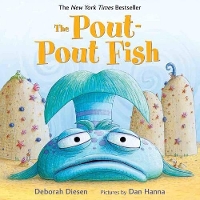
The Pout-Pout Fish by Deborah Diesen
This has turned out to be a children's classic for students who are operating on speech goals, particularly those operating on oral motor and expression. The story is of a gloomy fish who believes he needs to spread his pouty expression throughout the whole ocean before discovering that a kiss can alter his constant pout into a smile. The repeated line "I'm a pout-pout fish with a pout-pout face, so I spread the dreary-wearies all over the place" gives children multiple opportunities to practice lip movements, that is, the "p" sound, and the rhythmic text offers an easy-to-predict, easy-to-follow-along opportunity. Speech therapists find this book very useful because the exaggerated facial movements naturally lead children to mimic the movements, practicing the muscles used for crisp articulation.
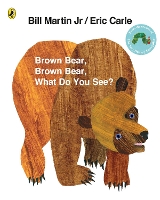
Eric Carle's Brown Bear, Brown Bear, What Do You See?
Definitely a "must-read" for little language learners. The predictable structure informs children about what to expect, reducing anxiety and encouraging engagement. Every page includes a first question and an engaging answer, offering natural turn-taking that is similar to conversation speech. The vocabulary of colours and animal words is excellent practice for most of the speech sounds, and the simple sentence structure lets children learn about patterns of language without feeling overwhelmed. Parents note that many children feel confident enough to tackle this book on their own, a highly empowering sensation for any child who needs help with communication.
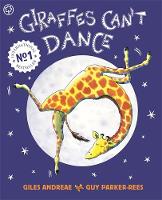
Giraffes Can't Dance by Giles Andreae
Through its investigation of determination and difference, the book speaks to children who struggle with their speech. Gerald the giraffe is different and bumps into things at the jungle dance, but with the help of others, he finds his own special beat. The rhyming words are easy to sound out, and the titles of the various animals provide practice with alternate consonant sounds. Besides the technical advantages of speech, the emotional message touches the hearts of most children with speech disorders, helping them understand that every individual is unique in their speech and differences make us all special in our own ways.
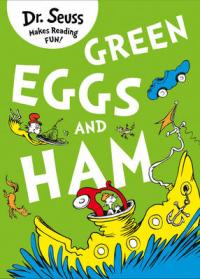
Dr. Seuss's Green Eggs and Ham
With the total use of only fifty different words this fun book is incredibly easy for children with small vocabularies yet still uncontrollably easy to read. The repetitive structure causes children to practice the same words and sounds again and again with the drill never becoming tiresome. The play sense of nonsense and Sam-I-Am's stubborn insistence make learning language playful and entertaining. The book's theme of attempting new things also reflects the speech therapy process, where children are generally asked to attempt new sounds and words that they do not believe they can say.
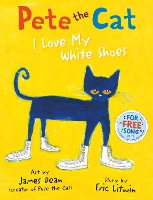
Pete the Cat: I Love My White Shoes by Eric Litwin
With a story all about a completely carefree character who just keeps on singing his song no matter what multicoloured mess he gets himself into, the sing-along song format encourages kids to sing along, and singing seems to encourage kids to make sounds more easily than speaking does. The repetitive tune and predictable words lower the participation level, and the colour words and action verbs provide excellent opportunities for vocabulary building. Pete's calm attitude also teaches emotional control, which would come in handy for children who become angry when their words do not come out as they intended them.
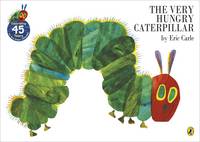
The Very Hungry Caterpillar by Eric Carle
This highly interactive book has several points of entry with its vibrant collage pictures and simple, rhythmic text. Children can trace the pictures, bite sounds, count the foods, and recognise food vocabulary. The week provides structure and sequencing practice, critical thinking skills that underpin language development. The transformation process from caterpillar to butterfly is a powerful metaphor for change and growth, one that instills children with optimism as they fight to learn to communicate.
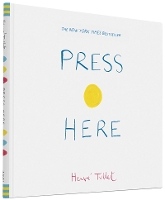
Press Here by Hervé Tullet
A fantastic interactive book that encourages children to give verbal commands and explain what is happening on each page. They are instructed to press dots, shake the book, tip it over, etc., each of which leads to a visual consequence on the following page. This cause-and-effect structure reinforces the idea for children that their words and actions are powerful, an important lesson for beginning communicators. The simple-to-follow instructions and enthusiastic participation needed make it perfect for practising imperative sentences and action verbs.
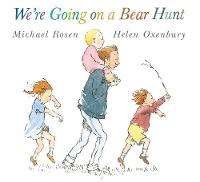
We're Going on a Bear Hunt by Michael Rosen
This classic book turns reading into a whole-body, multi-sensory experience with its refrain and sound effects. The repetitive structure provides reassurance as the various sound words provide practice with several phonemes. Children can stomp the grass, splash the river, and squish the mud, connecting body movement to word expression. The family adventure together reinforces that communication is a shared, not individual, struggle.
Llama Llama Red Pajama by Anna Dewdney
In addressing separation anxiety with tender words using simple, rhyming poetry children find comforting and easy to grasp, the "llama" refrain provides excellent practice in the "l" sound so many have trouble mastering. The content allows discussion of feelings, adding to vocabulary around emotions and helping children talk about their inner life, an important part of communication that is more than saying words correctly.
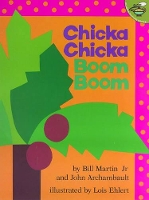
Chicka Chicka Boom Boom by Bill Martin Jr. and John Archambault
Learning the alphabet becomes a fun journey as the letters ascend a coconut tree and the rhythm of chant-like repetition cannot be ignored and is easy to mimic. The alphabetical focus instinctively increases letter sound consciousness, while the creativity used in language and dramatic storytelling are sure to engage children when read repeatedly, providing them with the repetition essential to speech and language acquisition without being tedious.
Each of these books share common themes that make them particularly valuable; predictability, funny illustrations, emotional resonance, and above all else, the ability to use language in a playful manner without it becoming exasperating, perfect for a read-aloud bedtime story.
This guest blog was written by Stuart Cooke from Salt Road Speech Therapy
Comments (0)
Leave A Reply
You must be logged in to post a comment.