



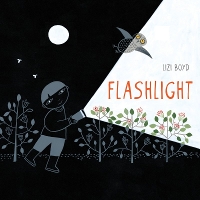


The best wordless picture books include Journey, Flotsam, Tuesday, Wolf in the Snow and Flashlight.
A wordless picture book takes its readers on a magical journey powered by imagination, observation and interpretation. Without relying on text, these books invite children to become active storytellers, using visual clues, emotions and inference to shape the narrative for themselves.
Because they are not bound by reading level, wordless picture books are uniquely inclusive. They can be shared across age ranges and abilities, making them ideal for whole-school assemblies, mixed-ability classrooms and group discussions on World Book Day.
They support early readers, reluctant readers, learners with English as an additional language and confident readers alike - offering every child an equal way into the story.
Most of the books in this collection are completely wordless but some carry sparing text, though all are driven primarily by exquisite, detailed artwork from some of today's finest children's illustrators. These books encourage children to slow down, look closely and return to the pages again and again, discovering new details each time.
Wordless picture books promote visual literacy, critical thinking and expressive language. By leaving space in the narrative, they invite multiple interpretations and repeated readings, encouraging discussion, creativity and confidence in storytelling. They also offer powerful opportunities to explore themes such as emotion, belonging, resilience and empathy - often with remarkable depth.
Although many of the picture books here have a recommended reading age, picture books are for everybody. Picture books offer opportunities for children to explore the aesthetics of image, investigate a range of interpretations and infer meaning.
Gaps in the narrative encourage multiple reads, giving us the potential of more every time we pick the book up. As artist, writer and filmmaker Shaun Tan - whose work features several times in this collection - has said: “You want to invite the reader through the door without telling them where they are.” Wordless picture books do exactly that, opening the door to rich book talk, thoughtful questions and personal meaning for readers of all ages.
We also must highlight the work of the incredible Aaron Becker here; the prize winning author is known as a master of the wordless picture book. He has worked as an artist for film studios such as Lucasfilm, Disney and Pixar to help define the look and feel of characters, stories and the films they become a part of. His book The Tree and the River won the double Carnegie Medal for Illustration in 2024 and we had the opportunity to chat with him for LoveReading4Kids. The book is a beautiful and engrossing look at man’s impact on the earth. His follow up The Last Zookeeper was another triumph as Becker imagines a futuristic Noah's Ark in a luminous sci-fi parable for our changing world.
Wordless picture books remind us that reading is not just about decoding words, but about making meaning, noticing detail and sharing stories together. They invite every reader - whatever their age, language or confidence - to step inside a story and tell it in their own way. Whether used in classrooms, assemblies, libraries or at home, these books open up rich conversations, spark creativity and prove that stories truly belong to everyone.
This collection is just a starting point. There are so many brilliant wordless picture books out there, and we know we won’t have caught them all. If you have a favourite that hasn’t made this list - a book that has sparked discussion, inspired storytelling or become a much-loved read in your home or classroom - we’d love to hear about it. Share your recommendations and help us keep this collection growing, so even more readers can discover the magic of stories beyond words.
Questions we get asked
What is a wordless picture book?
A story told only in pictures. Children become the storytellers, using what they see to work out what is happening.
Why read wordless picture books with children?
They build imagination, observation and inference, and work for any age or reading level.








Comments (0)
Leave A Reply
You must be logged in to post a comment.