





The National Year of Reading offers an important opportunity to reflect on a fundamental question for all schools: how do we ensure that every child can see themselves as a reader?
For pupils with SEND, this is not about a lack of motivation or interest, but about access. Barriers to reading may include challenges with decoding, processing, attention, language development or confidence. Too often, these barriers can limit opportunities to engage fully with reading, and over time, can shape how children see themselves as learners.
At the same time, many pupils simply have not yet encountered reading experiences that feel relevant, accessible or meaningful to them.
The role of the classroom, therefore, is not to “fix” the reader, but to create the conditions in which reading becomes possible, purposeful and enjoyable for every child. The good news is that small, intentional shifts in practice can make a significant difference.
Start with engagement, not level
One of the most effective ways to support all readers is to shift the starting point from reading level to reader interest.
For some pupils, particularly those with SEND, reading may have become associated with difficulty or limited access. When this happens, engagement across the wider curriculum can also be affected. Reframing reading as something enjoyable, social and meaningful can help rebuild confidence and connection.
In practice, this means:
- offering high-interest, low-pressure texts such as humour, mystery, verse novels, poetry and graphic formats
- allowing choice wherever possible
- creating opportunities for “successful reading moments” early and often
This may mean stepping away, at least temporarily, from tightly levelled texts in favour of materials that build confidence and motivation.
Broaden what counts as reading
Reading is often defined too narrowly in classrooms, yet many pupils engage more readily with diverse and multimodal formats.
For learners with SEND, these formats are not just engaging; they are often essential for access.
Consider incorporating:
- audiobooks and read-along texts
- graphic novels and illustrated texts
- poetry, short-form and episodic content
- non-fiction linked to real interests such as gaming, sport, animals or careers
Expanding the definition of reading helps pupils experience success and develop stamina in ways that feel achievable. It also recognises that reading is not a single pathway, but a range of valid and valuable experiences.
Create immersive reading experiences
For many pupils, independent reading is strengthened through shared experiences first. Being read to, discussing stories and engaging collectively can all play an important role in building confidence and understanding.
This is particularly important for pupils who benefit from modelling, scaffolding and social interaction.
Try:
- reading aloud daily, regardless of age
- using voice, pace and discussion to bring texts to life
- creating themed reading moments with sensory links, role play or strong visual prompts
- using paired or group reading to reduce pressure
For some pupils, the gateway to independent reading begins with being read to, not by themselves. Shared story experiences matter.
Build reading into belonging
A key consideration in supporting reading is identity: whether children feel that reading is something that includes them.
This is particularly important for pupils who may not see their experiences, needs or interests reflected in texts, or who have encountered barriers in the past.
Practical approaches include:
- curating texts that reflect diverse identities, needs and experiences
- celebrating all forms of reading, not just fluency
- using peer recommendations and book talk to build a reading culture
- positioning reading as social, shared and valued
When pupils feel that reading belongs to them, engagement follows.
Use structured support - but keep it flexible
Effective SEND practice balances structure with responsiveness.
Scaffolding is essential, but so is flexibility. The aim is not simply to get pupils through a text, but to help them interact with it meaningfully.
Strategies might include:
- pre-teaching key vocabulary
- chunking texts into manageable sections
- using visuals or prompts to support comprehension
- allowing alternative responses such as discussion, drawing or oral retelling
These are often small adjustments, but they can make reading more inclusive immediately. The goal is not just access to the text, but meaningful participation in reading.
Connecting to the National Year of Reading
The National Year of Reading offers schools an opportunity to think more broadly about access, equity and engagement. It is a chance to reposition reading not as a narrow academic task, but as a lifelong, inclusive and accessible experience.
This is where curated support can be particularly helpful. LoveReading4Kids and LoveReading4Schools offer a growing bank of resources that can support schools in building more inclusive reading cultures, particularly around access, diverse formats and modern reading habits.
That includes resources linked to the National Year of Reading, as well as dedicated SEND-focused content exploring current developments and good practice, including reflections on what new SEND support plans could mean for families and schools, support for the SEND Inclusive Publishing Pledge, and commentary on research into high-SEND schools. Alongside this, teachers can draw on curated collections such as SEN reading recommendations and themed “best books for kids who love…” lists, which can be especially useful when trying to match children to texts through interest rather than attainment alone.
This kind of support matters because the right book, in the right format, at the right moment, can be the turning point for a child who has previously felt excluded from reading.
Books and professional guides that can help
There is also an increasingly strong body of SEND-focused professional publishing that can help school leaders and teachers translate inclusive intent into day-to-day practice.
SEND Strategies for the Secondary Years by Georgina Durrant
A practical guide for secondary practitioners, this book is particularly useful in helping teachers think about support beyond generic differentiation. It offers grounded strategies that recognise the complexity of the secondary classroom and the need for approaches that are workable, not theoretical.
The School Leader’s Guide to SEND by Lynn How
This is especially valuable for senior leaders seeking to embed inclusive practice at a whole-school level. It speaks to leadership, culture and systems, and is helpful in framing SEND not as a bolt-on, but as central to school improvement.
The Emotional Toolkit for Pupils with SEND by Dr Kirstie Rees
An important reminder that engagement, behaviour and readiness to learn are deeply connected. This title supports practitioners to think carefully about emotional regulation, confidence and the wider conditions children need in order to participate fully in reading and learning.
The Strategic SENCo by Kenny Wheeler
For those leading SEND provision, this title is a helpful bridge between operational demands and strategic influence. It underlines the importance of the SENCo role in shaping provision, culture and collaboration across the school.
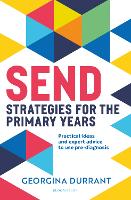
SEND Strategies for the Primary Years by Georgina Durrant
A strong practical companion for primary educators, offering strategies that can be implemented quickly and adapted flexibly. Particularly useful when thinking about early engagement, confidence-building and the foundations of reading identity.
The Neuroinclusive Educator by Victoria Bagnall
A practical and timely guide that encourages educators to design classrooms that work with neurodiversity, rather than expecting learners to adapt. Bagnall offers clear, actionable strategies to remove barriers to engagement, making it particularly relevant when thinking about inclusive reading practice. A strong addition for schools looking to create environments where all pupils can access, enjoy and feel included in reading.
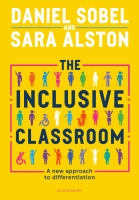
The Inclusive Classroom by Daniel Sobel & Sara Alston
This title is a helpful reminder that inclusion is not a separate strand of practice but the foundation of effective teaching. It supports teachers in thinking about classroom environments, relationships and routines that make participation more likely for all learners.
Taken together, these books reinforce an important message: inclusive reading practice is not about a single intervention or programme. It is about creating the right conditions for engagement and belonging.
Small shifts, lasting impact
Supporting every child to become a reader is not about a single intervention or programme. It is about creating the right conditions in which reading can flourish for all learners.
That means focusing on access, choice, relevance, support and belonging.
When these elements come together, reading becomes something pupils can experience as success and, over time, something they may choose for themselves.
And that is where the real impact lies.
For more on supporting children with SEND, browse our related content
NLT Publishes The Future of Literacy: Multimodal Reading in the first of a new series
Click on a book below to download an extract, purchase your copy, or read our expert reviews. All titles are available to buy directly via the publisher's website.
Comments (0)
Leave A Reply
You must be logged in to post a comment.