

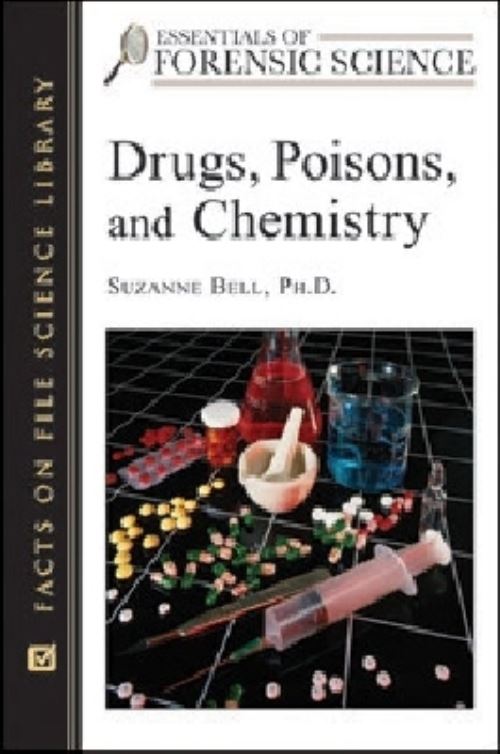
Forensic chemists and toxicologists work with drugs and poisons, but they each start with different evidence. Forensic chemists working in a crime lab must determine if the physical evidence they receive is an illegal substance such as marijuana or cocaine. They are also responsible for samples - including fire debris, soil, paint, glass, explosives, and fibers - obtained from suspected arson crimes.
Toxicologists, on the other hand, work with biological evidence such as blood, saliva, urine, and feces, using analytical chemistry to identify chemical traces and unmetabolized drugs. They often work in labs associated with a medical examiner's office or a hospital. ""Drugs, Poisons, and Chemistry"" touches on all aspects of forensic chemistry.
| ISBN: | 9780816055104 |
| Publication date: | 30th December 2008 |
| Author: | Suzanne Bell |
| Publisher: | Facts On File |
| Format: | Hardback |
| Pagination: | 124 pages |
| Series: | Essentials of Forensic Science |
| Genres: |
Educational: Chemistry |
Forensic chemists and toxicologists work with drugs and poisons, but they each start with different evidence. Forensic chemists working in a crime lab must determine if the physical evidence they receive is an illegal substance such as marijuana or cocaine.
Drugs, Poisons, and Chemistry features in the following genres: Educational: Chemistry
Hardback. Not Available.
Drugs, Poisons, and Chemistry was written by Suzanne Bell and published by Facts On File
Drugs, Poisons, and Chemistry has 124 pages
Yes it is part of Essentials of Forensic Science series