

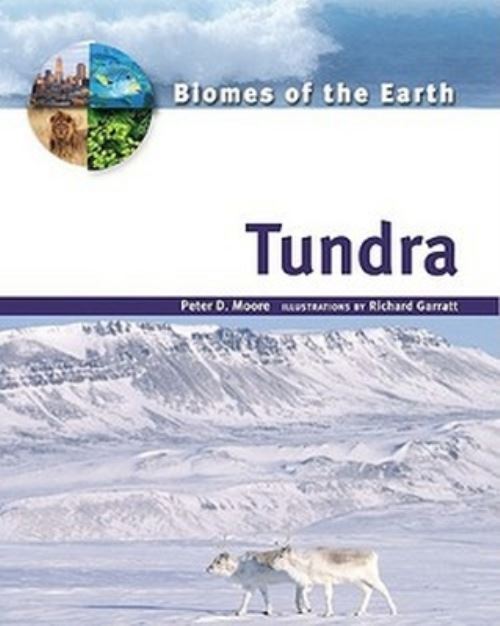
The geography and geology of tundra habitats have many physical and climatic constraints. Yet while biodiversity is low, ecosystems still exist in this environment. Much of the megafauna that we are familiar with - such as wooly mammoths and giant elk - inhabited tundra environments, and much of what we know of early human activity took place in this harsh ecosystem.
""Tundra"" presents a thorough overview of the tundra habitat - past, present, and future. Unique qualities of life, such as slow-growing dwarf trees and animals exhibiting large bodies and small ears, are described and discussed in the context of adaptation and survival strategy. The history and prehistory of tundra are also explored.
Past and present exploitation of tundra ecosystems is diverse. There is abundant mineral, gas, and oil wealth in these areas, and ecotourism and winter sports are abundant. As use of tundra ecosystems expands, problems connected with climate change, waste disposal, and other threats to the ecosystem must be addressed.
""Tundra"" examines these issues and more, in an easy-to-use format perfect for any science library or classroom.
| ISBN: | 9780816053254 |
| Publication date: | 30th July 2006 |
| Author: | Peter D Moore, Richard Garratt |
| Publisher: | Facts On File |
| Format: | Hardback |
| Pagination: | 220 pages |
| Series: | Biomes of the Earth |
| Genres: |
Educational: Biology Geography |
The geography and geology of tundra habitats have many physical and climatic constraints. Yet while biodiversity is low, ecosystems still exist in this environment.
Tundra features in the following genres: Educational: Biology, Geography
Hardback. Not Available.
Tundra was written by Peter D Moore, Richard Garratt and published by Facts On File
Tundra has 220 pages
Yes it is part of Biomes of the Earth series