

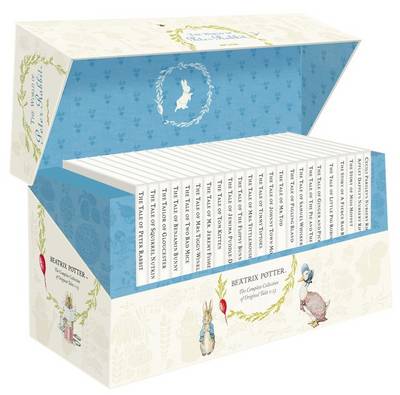
These stories were first published in 1902, and are still very popular today and suitable for all age ranges
I am running alongside a garden wall, in a field full of wildflowers. A gentle wind whips up my hair on a blissfully warm autumnal day. There is a distinct scent of mischief in the air and farming sounds can be heard faintly in the background. I walk through the garden gate and land straight into the world of Peter Rabbit.
The vegetable patch has never looked so deliciously tempting. Every berry is bursting with flavour. Every carrot a deep, healthy orange.
Here lies the premise of every Peter Rabbit adventure. Peter is every bit the rascal (just as mischievous as Oggy and the Gang really), but he is hungry, famished actually and he needs to eat.
There is food in abundance.
And with it, opportunity.
This is all he needs to know....
but will he end up in a pie like his father? - Yikes!
These stories were first published in 1902, and are still very popular today and suitable for all age ranges (because as readers grow, they discover new layers of meaning in the stories).
The simple prose of the stories contrasts distinctly with a moral dilemma.
Should someone who has plenty share with others who don't?
Does Peter share with his siblings or eat everything himself?
Is Mr McGregor the baddie in the story or is it Peter?
The Tale of Peter Rabbit is laced with consequences that are funny.
But isn't the important thing that everyone has somewhere safe to come home to?
What Oggy & the Gang say:
Bran: 'Naturally, I think Peter Rabbit is a hero for getting into trouble and managing to escape.
Fenn: 'Of course Bran. Rules are meant to be broken!'
Uddin: 'Woah! Not at the risk of being chased by a gamekeeper or caught by Mr McGregor!'
Hedge: 'It's OK by me, I would rather eat biscuits anyway. At home.'
Oggy.press