

The best STEM books for kids include How Was That Built? by Roma Agrawal, Am I Made of Stardust? by Maggie Aderin-Pocock, A Mathematician Like Me by Dr Shini Somara and How Does It Work? by Maddie Moate.
Updated October 2026 by the LoveReading4Kids editorial team. First written by Charlotte Carus. The books in this collection were chosen by our editors and expert reviewers, and mix fact books, activity books and stories for every age from toddlers to teenagers.
Our top picks at a glance
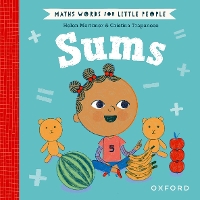
- Best for little mathematicians: Maths Words for Little People: Sums by Helen Mortimer. A clear, friendly first look at more and less, adding and taking away, and number bonds, with tips for adults at the back (ages 0-4).
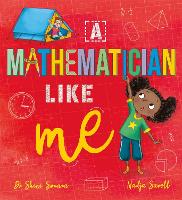
- Best maths picture book: A Mathematician Like Me by Dr Shini Somara. On a camping trip, Aliyah discovers maths is everywhere, from the shops to the stars; written by a mechanical engineer and TV presenter (ages 5-8).
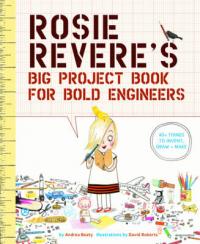
- Best for budding engineers: Rosie Revere's Big Project Book for Bold Engineers by Andrea Beaty. An activity book that shows children how engineers think, with projects such as a simple catapult and a solar oven (ages 5-8).
- Best for curious young minds: How Does It Work? by Maddie Moate. Explains how everyday objects and machines work, from toilets and toothpaste to wind turbines, with puzzles along the way (ages 5-10).
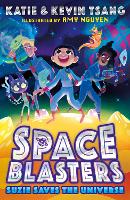
- Best STEM story for newly confident readers: Suzie Saves the Universe by Katie and Kevin Tsang. Young inventor Suzie is transported into her favourite space TV show; our LoveReading4Kids review calls it “a clever, accessible and entertaining mix of story and STEM” (ages 5-8).
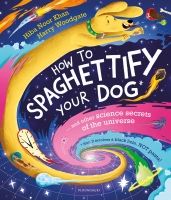
- Best for physics fans: How To Spaghettify Your Dog by Hiba Noor Khan. From atoms and friction to black holes and time travel, by a former physics teacher (ages 7-10).
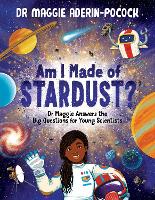
- Best for space-curious kids: Am I Made of Stardust? by Dr Maggie Aderin-Pocock. A space scientist answers big questions about the universe, the solar system and humans in space, with activities to try at home (ages 9-12).
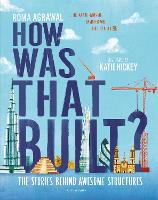
- Best engineering book for 11 and 12-year-olds: How Was That Built? by Roma Agrawal. A structural engineer who worked on The Shard explains how bridges, tunnels and skyscrapers are built (ages 11-12).
What is STEM?
STEM stands for Science, Technology, Engineering & Maths and covers the group of subjects that fall within these areas of study. Common STEM subjects include Architecture, Computer Science, Astronomy, Economics, Chemistry, Psychology and Biological Sciences.
A study of STEM subjects encourages invention, critical thinking, creativity and problem solving - all invaluable skills for young people in their studies and everyday life.
This collection of fiction and non-fiction books for children encourage an exploration of STEM topics in an accessible way and many are linked to The National Curriculum.
STEM books by subject
Science
- How To Spaghettify Your Dog and other science secrets of the universe by Hiba Noor Khan: covers solids, liquids and gases, pressure and gravity, and what would happen if the Earth stopped spinning (ages 7-10).
- Am I Made of Stardust? by Dr Maggie Aderin-Pocock: a question-and-answer format, from what the Milky Way is to how astronauts breathe, with a contents list and glossary (ages 9-12).
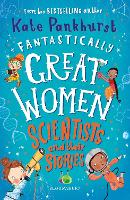
- Fantastically Great Women Scientists and Their Stories by Kate Pankhurst: comic strips, fact boxes and diagrams tell the stories of eight women scientists, including the chemist Tu Youyou, who found a cure for malaria (ages 7-10).
Technology and coding
- How Does It Work? by Maddie Moate: microwaves, smart speakers, barcodes and checkouts explained across four themed adventures (ages 5-10).
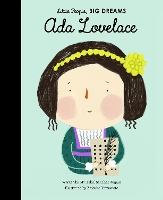
- Ada Lovelace by Maria Isabel Sanchez Vegara: a Little People, Big Dreams biography following Ada Lovelace from her early love of logic to her plans for the world's first computer program (ages 5-8).
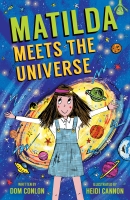
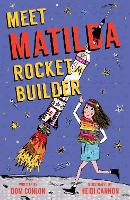
- Meet Matilda Rocket Builder by Dom Conlon: ten-year-old Matilda sets out to build a spaceship, explaining air pressure, escape velocities and coding along the way (ages 7-10).
Engineering
- How Was That Built? by Roma Agrawal: case studies from the Pantheon to the Brooklyn Bridge and The Shard, plus how to make buildings watertight, stable and strong (ages 11-12).
- Rosie Revere's Big Project Book for Bold Engineers by Andrea Beaty: design a better bicycle, build a catapult, and learn that failure is part of success (ages 5-8).
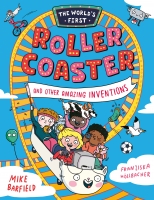
- The World's First Rollercoaster and Other Amazing Inventions by Mike Barfield: the true stories behind inventions from bubble wrap to the barcode, told in comic strips. It was our Book of the Month in April 2024 (ages 7-10).
Maths
- Maths Words for Little People: Sums by Helen Mortimer: maths vocabulary in everyday settings, so adding leaves to a pile makes the pile bigger (ages 0-4).
- A Mathematician Like Me by Dr Shini Somara: problem-solving challenges on a shopping trip and a train journey, plus a maths game to play with friends (ages 5-8).
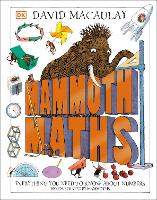
- Mammoth Maths by David Macaulay: a troupe of curious mammoths guides readers through numbers, calculation, geometry and measurement (ages 7-10).
STEM stories for children
Not every STEM book is a fact book. These stories put inventors and scientists at the heart of the adventure.
- Suzie Saves the Universe by Katie and Kevin Tsang: a space adventure with fun-fact boxes about science between the chapters (ages 5-8).
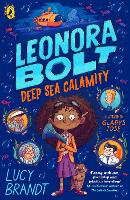
- Leonora Bolt: Deep Sea Calamity by Lucy Brandt: secret inventor Leonora launches a homemade submarine to find her missing parents, in a gadget-filled second adventure.
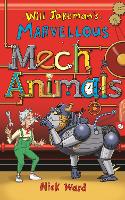
- Will Jakeman's Marvellous Mechanimals by Nick Ward: an inventor's mechanical animals, such as a hydrogen-powered metal gorilla, with diagrams of each creation and encouragement to sketch your own (ages 7-10).
- Meet Matilda Rocket Builder by Dom Conlon: a comic, character-driven story that explains big scientific subjects along the way (ages 7-10).
STEM books by age
- Under 5: Maths Words for Little People: Sums.
- Ages 5-8: A Mathematician Like Me, Rosie Revere's Big Project Book for Bold Engineers, Ada Lovelace and Suzie Saves the Universe.
- Ages 7-10: How To Spaghettify Your Dog, The World's First Rollercoaster and Other Amazing Inventions, Mammoth Maths, Meet Matilda Rocket Builder and Fantastically Great Women Scientists and Their Stories.
- Ages 9-12: Am I Made of Stardust?.
- Ages 11-12: How Was That Built?.
Questions we get asked
What are the best STEM books for kids?
Our top choices are How Does It Work? by Maddie Moate for ages 5-10, How To Spaghettify Your Dog by Hiba Noor Khan for ages 7-10, and Am I Made of Stardust? by Dr Maggie Aderin-Pocock for ages 9-12.
What are good engineering books for kids?
For younger children, Rosie Revere's Big Project Book for Bold Engineers by Andrea Beaty has hands-on projects such as a catapult and a solar oven. Mike Barfield's The World's First Rollercoaster and Other Amazing Inventions tells the stories behind famous inventions in comic-strip form for ages 7-10.
What is a good engineering book for a 12-year-old?
How Was That Built? by Roma Agrawal, the structural engineer who worked on The Shard, is suitable for ages 11-12 and explains how bridges, tunnels and skyscrapers are built.
What are some STEM stories for children?
Suzie Saves the Universe by Katie and Kevin Tsang, Leonora Bolt: Deep Sea Calamity by Lucy Brandt and Will Jakeman's Marvellous Mechanimals by Nick Ward are all adventure stories starring young inventors.













Comments (0)
Leave A Reply
You must be logged in to post a comment.