

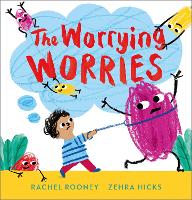
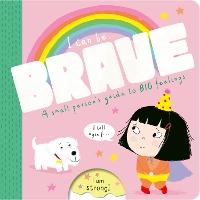
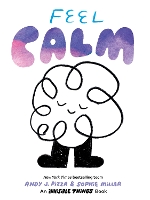
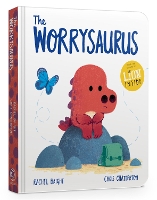
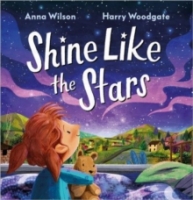
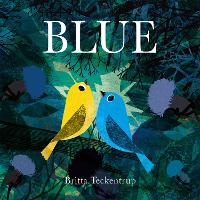
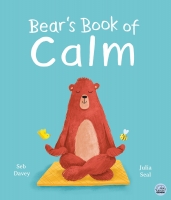
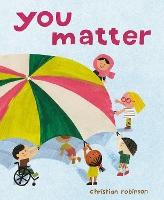
The best children's books for mental health and wellbeing include The Worrysaurus, The Worrying Worries, Feel Calm, Bear's Book of Calm and You Matter.
Children’s Mental Health Week 2026 is an opportunity to support young people in understanding their emotions, building resilience and recognising that everyone experiences ups and downs. Books - both fiction and non-fiction - can be powerful in starting conversations, normalising feelings and offering comfort.
Books are a wonderful way to help children learn about themselves and about the world, and to share their concerns and fears in a safe environment. We are more aware than ever about the importance of strong mental health, and whilst anxiety is a natural part of development for children it is important to teach them strategies to help deal with worry and understand when further support is needed.
Early Years
The Colour Monster is the bestselling original book with jaw-dropping pop-up pages, featuring the beloved Colour Monster from hugely talented author-illustrator, Anna Llenas. Treasured in households worldwide for its accessible, gentle and fun approach to talking about feelings, it's a stunning story with beautifully crafted collage artwork that represents each emotion in a unique and memorable way, and the pop-ups make this special edition the perfect gift. The ideal book to share for children (and grown-ups too). Now in board book, picture book, colouring-in activity book and paperback formats too.
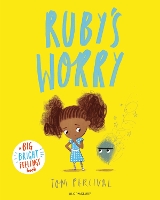
Ruby’s Worry by Tom Percival is part of his award-winning A Big Bright Feelings Book series - a wonderful resource for supporting children’s mental health and emotional wellbeing. Each book gently explores a specific feeling - from worry and anger to happiness and calm - in a way that is accessible, reassuring and age-appropriate for young readers. With warm, engaging illustrations and simple text, the series helps children name their emotions, understand that feelings are normal and learn practical ways to cope with them. These books are perfect for reading together at home or in the classroom, offering a shared language for talking about feelings, building confidence and nurturing emotional resilience. Whether a child is navigating everyday anxieties or simply learning to recognise how they feel, this superb series provides supportive stories that encourage self-awareness, empathy and positive mental health every day.
Primary School Reads
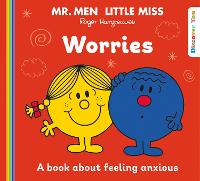
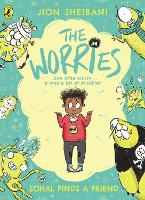
The Worries series by Jion Sheibani, offers gentle, thoughtful stories that help young readers recognise, name and understand their worries. Each book in the series explores common fears and anxieties children may experience - from first days at school to feeling overwhelmed by big emotions - with warmth, clarity and sensitivity. Sheibani’s expressive illustrations bring each story to life, making emotions visible in a way that feels safe and reassuring for little readers. The series provides a perfect starting point for conversations about feelings at home or in the classroom, helping children see that everyone has worries and that there are simple, supportive ways to cope with them. With humour, heart and compassion, this series supports emotional wellbeing, resilience and confidence in children of 5+ / 7+ age range.
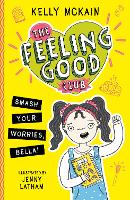
The Feeling Good Club: Smash Your Worries, Bella! by Kelly Mckain and illustrated by Jenny Latham is a brilliant book for 7+ / 9+ readers where big emotions take centre stage in a joyful tale about friendship and finding your inner calm. It’s the first in a fresh series of accessible stories told in journal format, highlighting the benefits of mindfulness activities and sharing your feelings. Check out The Feeling Good Club series.
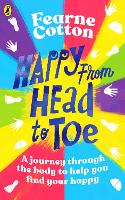
Happy From Head to Toe by Fearne Cotton is a handy holistic toolkit for finding happiness in body and mind. Practical and thought- provoking, enlightening and entertaining, it’s packed with joy-nurturing nuggets.
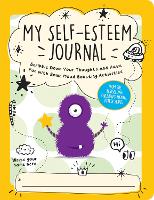
My Self-Esteem Journal encourages children to scribble down their thoughts and have fun with some mood-boosting activities. Engaging, empathetic, practical and empowering, this self-esteem journal is a sure-fire way to foster mindfulness and confidence.
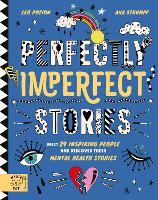
Perfectly Imperfect Stories by Leo Potion and illustrated by Ana Strumpf is an inspiring look at well-known people who live with mental health issues and find a way to live their lives. But, as Professor Peter Fonagy states in the introduction, the graphics are intended as a ‘help to see the lighter side of ourselves’.
Secondary School Reads
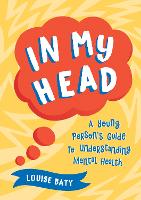
In My Head by Louise Baty is a young person's guide to understanding mental health. The years between 11 and 15 can be some of your most memorable and exciting, but they can also be the hardest to navigate, as life starts to shift in really big ways.
This book will be a real help to young people in those pre-teen and teen years, as it explains the mental changes you might experience, and how to cope with it all. The best thing, it will make readers feel they’re not alone.
The format is very friendly and accessible, frequent diagrams and write-in pages helping to make managing your mental health feel manageable. It’s a book to keep at hand even when you’ve reached the end so that you can refer back to it when you’re feeling wobbly or in need of a boost.
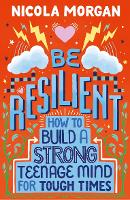
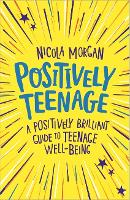
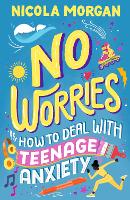
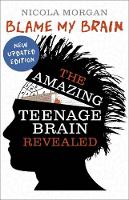
Nicola Morgan is an international speaker and award-winning author for and about teenagers. She has written nearly 100 books, and has become increasingly well known for her passionate factual work on adolescence, with Blame My Brain - The Amazing Teenage Brain Revealed and Positively Teenage among them.
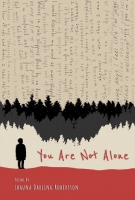
Award winning poet Shauna Darling Robertson looks at a wide range of mental health issues in her poetry book You Are Not Alone. The poetry covers many styles and topics – all connected to well-being and mental health. Divided into five sections each section containing diverse poems on a loosely similar theme – though all the poems are very varied and cover everything from what the mind is like to OCD type activities, from belonging to hope, happiness to allowing people space. Such a varied collection will be dipped into repeatedly, as well as being read from cover to cover.
Children’s Mental Health Week 2026
Children's Mental Health Week 2026 will take place between 9-15th February in 2026. This year the theme is 'This is My Place' where we're encouraging peers, families, schools and communities to create an environment that gives children and young people a sense of belonging.
Children’s Mental Health Week is an annual awareness week launched and organised by the children’s mental health charity Place2Be, first started in 2015 to empower, equip and give a voice to all children and young people’s mental health. The charity provides counselling, mental health support, and training in UK schools; a tried and tested model backed by research.
They believe that no child or young person should have to face mental health problems alone. And so do we here at LoveReading4Kids.
They've released their official Children's Mental Health Week resources for schools, and families which you can access here.
Schools: https://www.childrensmentalhealthweek.org.uk/schools/
Families, parents and carers: https://www.childrensmentalhealthweek.org.uk/families/
Resources and Information for Children's Mental Health
As well as Place2Be, there are many organisations that offer information to help you spot the signs that a child is suffering and offer ways to support:
The Childline website has tips to cope with feelings of anxiety caused by the pandemic - and is a great service children can contact to talk about any issues that are worrying them. Established in 1986, Childline is a free and confidential service for children to contact online, or on the phone, 24hrs a day with trained counsellors ready to listen.
YoungMinds is one of the UK’s leading charities fighting for children and young people’s mental health. Their website includes a Parent Helpline, practical guides for supporting anxious children, and clear explanations of emotional wellbeing. They are especially good at translating complex mental health topics into accessible, reassuring advice for families.
Anna Freud provides evidence-based resources for families and schools, including self-care tools, short guides on emotional resilience, and advice on supporting children through change. Their materials are grounded in child psychology research but written in a calm, practical tone.
Mind has a dedicated young people and families area with guides on anxiety, stress, and low mood. Their strength is helping adults understand what children may be experiencing and offering simple ways to start conversations.
Mentally Healthy Schools brings together quality-assured resources to help primary schools promote children’s mental health and wellbeing. To support school staff and parents during these uncertain times they have produced curated toolkits, with resources to help manage anxiety and improve wellbeing.
And Next Comes L has hundreds of activities and play ideas for toddlers and all school aged children. There are also a range of tips and resources to help a child suffering anxiety including printable worksheets.
The NSPCC have advice to help you support children who may be experiencing depression, anxiety, suicidal feelings or self-harm.
The state of children's mental heath in the UK
Leading mental health charity Mind published a report in October 2025 on the state of children and young people’s mental health. The report, ‘Care before Crisis’, calls on the government to scale up its network of early intervention mental health hubs ahead of the Budget. More than half a million young people are currently on a waiting list for support. You can read the full report here.
The benefits of reading for mental health
Books act as mirrors and windows: mirrors that let children see their own feelings reflected, and windows that help them understand others’ experiences. During Children’s Mental Health Week 2026 - and every week - shared reading can open gentle conversations about emotions, reassure children they are not alone and build empathy, understanding and resilience.
Recent research from Harper Collins highlighted that young people who strongly identify as a reader report higher levels of happiness and better mental health.
Despite 79% of 14–25s saying reading makes them feel happier and recognising its importance for mental health, only 16% read for pleasure daily or nearly every day.
Day in, day out we are reading reviewing and highlighting brilliant books for the children in our lives. Books for every age range. Books for fiction lovers. Books for children who adore factual reads. We are here to help them fall in love with books, to help them fall in love with reading.
In addition, here at LoveReading4Kids we have gathered together a collection of children's books that might help relieve some of the negative feelings and help our children find ways to cope, through mindfulness exercises and gentle storytelling. Scroll down to see 100 brilliant book recommendations for children highly thought of by our editorial team. Books for every age range from toddlers to teens.
Feeling
Even the darkest storm passes,
The sun can't shine bright every day,
We can sit with our feelings and notice
How they roll through us then blow away.
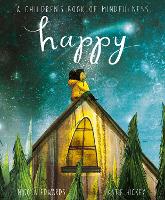
taken from Happy: A Children's Book of Mindfulness by Nicola Edwards and Katie Hickey
In addition, you can find further reading recommendations in this Resilience Collection and in books to Improve Self Esteem and Build Confidence.
Questions we get asked
Are there books about worry for young children?
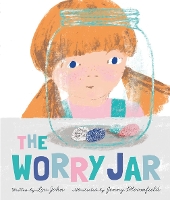
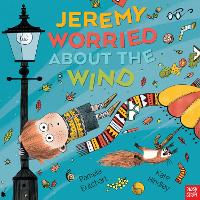
Yes: The Worrysaurus, The Worry Jar and Jeremy Worried About the Wind.








Comments (24)
Alicia O - 27th December 2022
Kids have a hard time naming their emotions. They sometimes don’t know if they feel sad or angry; angry or just hungry. Reading, while being the perfect way to bond, entertain, and educate children, is also a great way to introduce them to the world of grown-up emotions they might feel. They can also learn to feel those emotions in a way not to hurt anyone, get help with bad emotions, and share positive emotions with somebody. Thank you for this wonderful list of books. I have created a shorter one, but just as helpful if you want to take a look here https://aliciaortego.com/best-books-about-emotions/Susan B - 15th March 2021
Your lists of recommendations are always excellent and this one is no exception. Thank you!Sheri D - 13th March 2021
These look really interestingAlison A - 13th March 2021
These look great, although we appear to have avoided any major worries, we will investigate some of these suggestions to open dialogue for any underlying concernsAnthea H - 13th March 2021
What a lovely collection of books - so helpful in these difficult times.Elizabeth B - 12th March 2021
Great books to help children cope with feeling and emotionsRebecca B - 10th March 2021
A really great round up - how wonderful that there are such resources available these days and that these conversations are happening.lynda s - 5th March 2021
A wonderful selection of topics and age groups covered, a good starting point to read and be able to helpDebby B - 5th March 2021
It is always important to do all we can to ease anxiety and stress for everyone and, especially under the current Coronavirus-related climate, anything we can do to help children and young people cope better, seek help for any mental health concerns, realise they are not alone and that their fears are shared by others etc - good to see these crucial concerns being properly and considerately addressed.Jacqui G - 4th March 2021
Good selection of books.Sally C - 1st March 2021
These books are really good!Jo B - 25th February 2021
I recommend My Monster and me.Helen S - 25th February 2021
This is a great selection of books which I will be passing on to our librarian - particularly useful now that we are about to see pupils back in school.MARIA R - 24th February 2021
some great tools to help kids copeYOLANDA D - 24th February 2021
Reading this was really interesting; Thank you.Nicola B - 24th February 2021
With the amount of changes and uncertainty children have faced in the past year these books look a fantastic source of helping them with their anxieties and worry’sLaura C - 23rd February 2021
This is a fabulous list thank you very much. My 7 year old autistic son has become very anxious since the first lockdown so I will be looking at these books to see which is the best one for him.Bethany I - 23rd February 2021
A great selection of books. Definitely made a note of a few to pick up.kathleen m - 23rd February 2021
What a selection. I think my grandson would benefit from the Night ShiftMary L - 23rd February 2021
Great selection of booksBrenda H - 21st February 2021
A fantastic bundle of books for the children to read.Nicola B - 18th February 2021
Great books for our wellbeing days post lockdownMarion G - 12th February 2021
Love these books; they are so important, to help children make sense of their feelings and fears. Ruby's worry is a great one.Gill W - 11th February 2021
A fabulous selection of books for children in today's worrying times.Leave A Reply
You must be logged in to post a comment.